Homeschool Maths Support for Anxiety and Additional Learning Needs
When maths leads to avoidance, shutdown, tears, anger or repeated conflict, adding more worksheets is rarely the best first response. This practical guide helps NSW home-schooling families identify what may be blocking access to maths and choose a smaller, calmer next step.
Quick answer: Start by separating the mathematical difficulty from the conditions surrounding it. Check whether the main barrier is a missing prerequisite, language load, working-memory demand, attention regulation, fear of mistakes, sensory discomfort or previous negative experiences. Then change one feature of the lesson while keeping the learning goal meaningful.

“Why can’t my child do this?” may be the wrong starting question
A more useful question is: “What is making this maths task difficult to access today?”
Two children can give the same incorrect answer for completely different reasons. One may not understand place value. Another may understand the concept but lose track of a multi-step instruction. A third may know the method but freeze when they expect correction or failure.
This distinction matters because the teaching response should match the barrier. More repetition can support fluency, but it may increase distress when the real issue is overload, unclear language or fear.
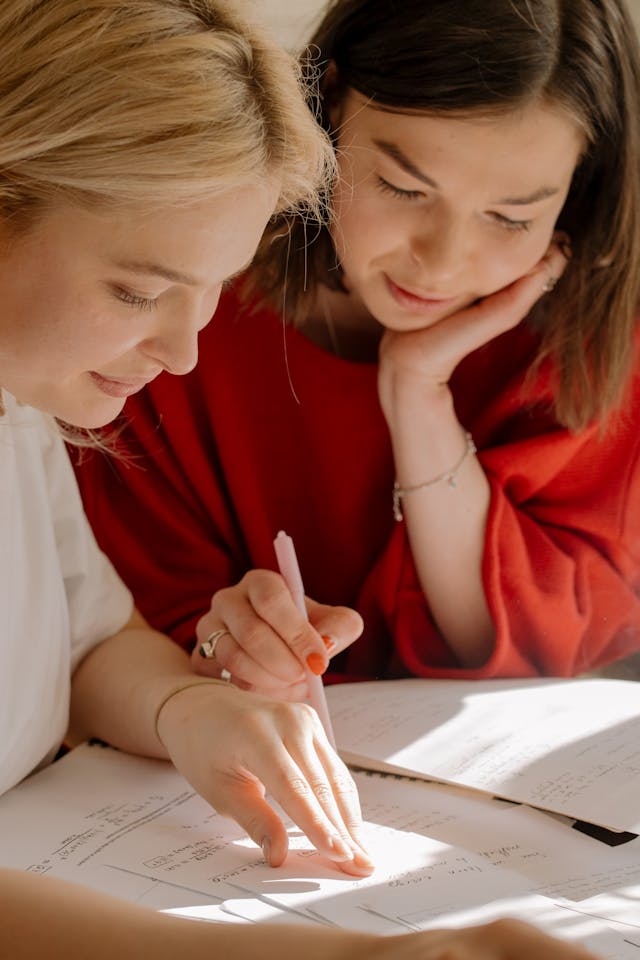
What maths anxiety can look like during home learning
Maths anxiety does not always look like visible fear. It may appear as avoidance, perfectionism, rushing, anger, repeated reassurance seeking or a sudden inability to recall familiar skills.
Before the task
- “I can’t do maths” before reading the question
- Delaying, bargaining or leaving the room
- Physical agitation around maths time
- Needing repeated reassurance before starting
During the task
- Rushing to finish without checking meaning
- Repeated erasing or restarting
- Anger after a small mistake
- Shutting down when another step is added
In the thinking
- Losing track of a multi-step method
- Forgetting facts that were available earlier
- Focusing on speed rather than relationships
- Difficulty explaining what the question asks
When pressure drops
- Explaining the idea orally but not on a timed page
- Working better with objects or diagrams
- Re-engaging when the task is shortened
- Showing more knowledge in a familiar setting
Maths anxiety, learning gaps and additional needs can overlap
A child might avoid fractions because the topic is confusing, because division skills are insecure, because word-heavy questions overload language processing, or because previous correction made the child expect failure. More than one factor can be present.
| Possible barrier | What you may notice | Useful first response |
|---|---|---|
| Learning gap | The same concept or prerequisite remains uncertain across calm settings and different task formats. | Return to the first missing foundation and rebuild it using connected examples. |
| Fluency difficulty | The child understands the idea but retrieves facts or procedures slowly. | Use short, spaced practice without making speed the only measure of progress. |
| Language load | The child manages calculations but struggles with instructions, vocabulary or word problems. | Clarify vocabulary, read the problem aloud and represent the relationship visually. |
| Working-memory load | The child starts correctly but loses their place in multi-step questions. | Place the steps on the page and let the child tick or point to the current step. |
| Attention or executive-function barrier | Starting, shifting, organising materials or returning after interruption is difficult. | Use a visible sequence, one instruction at a time and a clearly defined finish point. |
| Anxiety or fear of error | Performance drops sharply under pressure, correction or uncertainty. | Remove unnecessary timing, begin with a secure entry point and correct errors neutrally. |
For a more detailed prerequisite review, use the guide to identify homeschool maths learning gaps.
The CALM approach to a difficult maths lesson
This four-part framework helps parents and tutors preserve a meaningful learning goal while lowering avoidable pressure.
Create safety and predictability
Explain what will happen, how long the block will last and what “finished” looks like. Begin with a task the child can access.
Adjust the barrier
Change one feature—task size, wording, visual support, response method, pace or environment—without abandoning the core concept.
Learn in connected steps
Use one worked example, one guided example and a short independent attempt. Return to the first uncertain prerequisite when needed.
Measure progress safely
Record the strategy that helped, not only the score. Recheck later with a fresh example and recognise useful explanation, correction and effort.
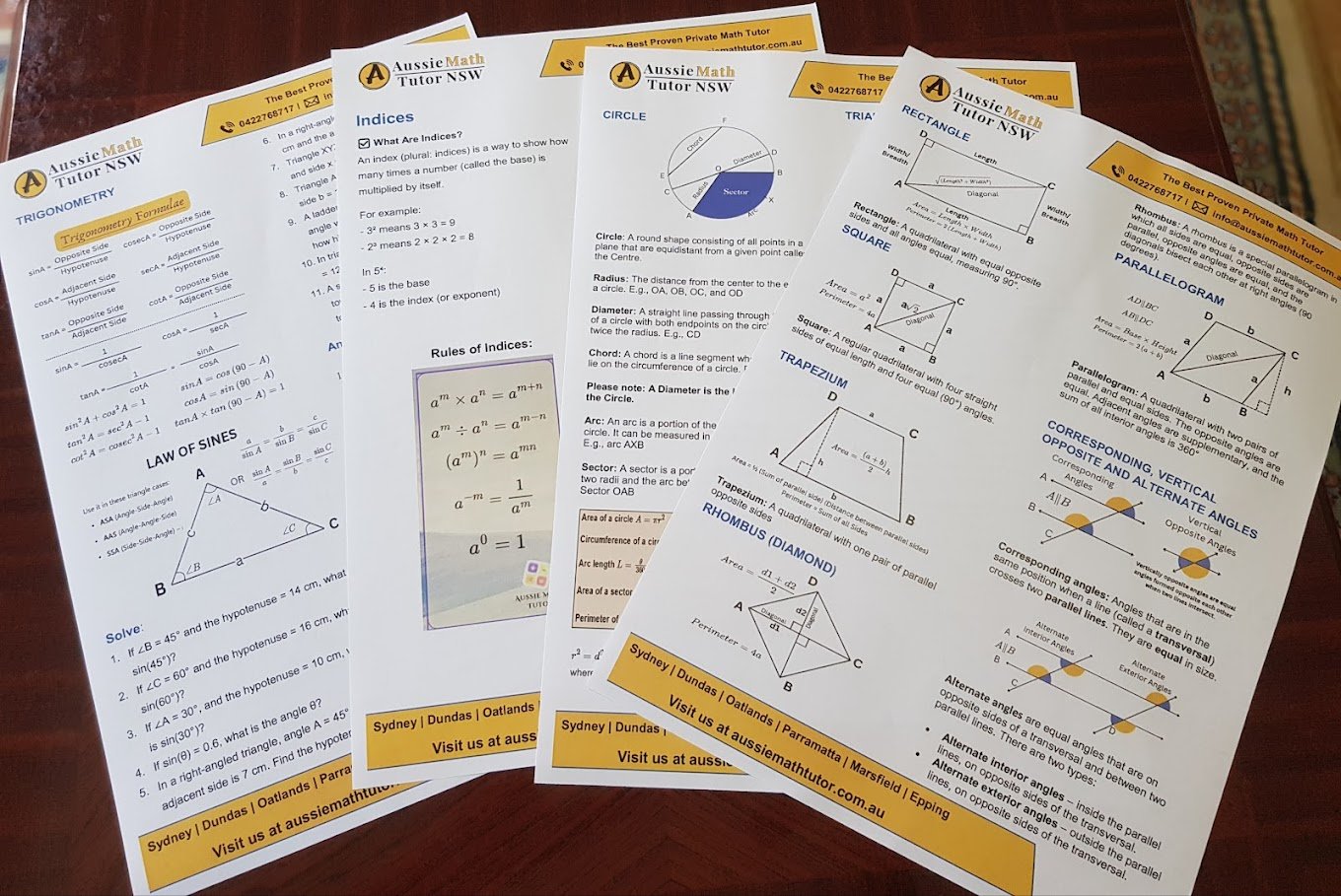
Teaching adjustments that can make homeschool maths more accessible
An adjustment does not automatically mean lowering expectations. It can change how a child accesses, processes or demonstrates mathematics while preserving meaningful progress.
Reduce unnecessary load
- Show one question or one short section at a time
- Remove unrelated visual clutter
- Give one instruction before adding the next
- Use a visible finish point
Make the thinking visible
- Use number lines, arrays, diagrams and manipulatives
- Put multi-step methods on a small reference card
- Invite oral reasoning before written work
- Model one example using consistent language
Protect productive struggle
- Remove unnecessary timing
- Use hints that preserve part of the thinking
- Treat mistakes as information about the next step
- Increase challenge gradually rather than suddenly
Support regulation and return
- Use planned movement or sensory breaks
- Keep the lesson sequence predictable
- Offer two acceptable response methods
- End before overload removes the ability to think
Examples of support for common additional learning needs
These are educational examples, not diagnoses or universal prescriptions. A child’s strengths, needs and any professional recommendations should guide the final approach.
Attention and executive-function difficulties
- Short, clearly bounded task blocks
- One instruction at a time
- A visible lesson sequence and check-off steps
- Materials prepared before the lesson begins
- Immediate, specific feedback
Autistic learners and a need for predictability
- Consistent routines and clear transitions
- Advance notice of changes in task type
- Precise language rather than implied expectations
- Reduced sensory and visual distraction
- Using interests carefully to support engagement
Persistent number difficulties or suspected dyscalculia
- Concrete quantity and number representations
- Repeated links between materials, images and symbols
- Smaller sets of related number facts
- Frequent revisiting across short sessions
- Less emphasis on speed as proof of understanding
Dyslexia or language-processing difficulties
- Reading questions aloud where appropriate
- Pre-teaching mathematical vocabulary
- Separating the reading demand from the maths demand
- Using diagrams, tables or bar models
- Allowing oral explanation before concise writing
Maths anxiety or difficult school experiences
- A secure first question
- Private and neutral correction
- Untimed learning unless timing is itself the later goal
- Explicit permission to use draft working
- Gradual re-entry to uncertain tasks
Giftedness or an uneven advanced profile
- Compact already-mastered content
- Offer depth, reasoning and open problems
- Do not assume advanced concepts remove basic skill gaps
- Allow alternative methods and mathematical curiosity
- Use challenge without unnecessary repetition
Build a sample maths lesson adjustment plan
Choose the barrier you notice most, the way your child currently responds best and a manageable focused block. The tool will create a practical starting plan.
This tool supports observation and lesson planning. It does not diagnose a condition, replace professional advice or create an official NSW home-schooling program.
A five-step response for rising distress or overload
Pause the demand
Stop adding instructions, questions or corrections while the child is losing access to the task.
Name what you observe neutrally
Use language such as, “This looks like too much at once,” rather than judging effort or attitude.
Reduce one feature
Cover part of the page, return to one example, remove timing or change to a visual representation.
Restore limited choice
Offer two acceptable ways to continue: talk it through, use objects, draw it or complete one part later.
Record useful information
Note the trigger, the adjustment that helped and the smallest next mathematical step.
Do not turn every pause into avoidance
The goal is gradual supported participation. After regulation returns, revisit the concept at an achievable entry point rather than permanently removing all challenge.
Individual learning needs can be reflected in the educational program
NSW home-schooling guidance recognises that children learn at different rates and in different ways. Families may revisit earlier content, use cross-stage programming, adjust resources and delivery, or progress to more advanced content where appropriate.
Learning does not need to copy a school timetable. Families can organise learning across the day or week in a way that suits the child while allocating sufficient time to curriculum requirements and keeping evidence of implementation and progress.
Useful lesson records may include
- The mathematical focus and syllabus connection
- The barrier observed
- The support or adjustment used
- What the child could do with and without support
- The next small teaching step
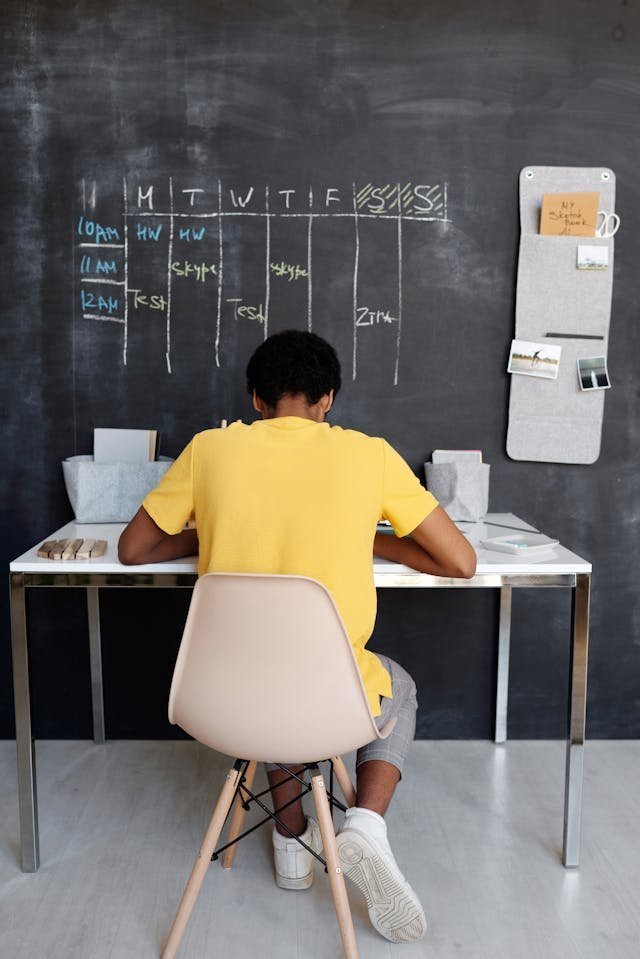
What personalised homeschool maths tutoring can—and cannot—do
Tutoring may help by
- Identifying the first uncertain prerequisite
- Breaking difficult topics into smaller connected steps
- Trying visual, verbal and hands-on explanations
- Reducing unnecessary time pressure
- Building a predictable weekly maths routine
- Providing parents with clear educational feedback
Tutoring does not
- Diagnose dyscalculia, ADHD, autism or another condition
- Provide psychological therapy or medical treatment
- Guarantee that one adjustment will suit every child
- Replace the parent’s responsibility for NSW registration requirements
- Override recommendations from appropriately qualified professionals
A low-pressure starting assessment: The first discussion reviews the student’s current maths level, any known learning gaps, how the student responds to different task formats and which lesson conditions may support participation. It is an educational assessment, not a clinical or diagnostic assessment.
When to seek help beyond maths tutoring
Consider speaking with an appropriate health or educational professional when distress is persistent, intense or affecting everyday life; when concerns extend well beyond maths; or when the child cannot participate despite thoughtful educational adjustments.
Depending on the concern, families may begin with a GP or another suitably qualified professional. A tutor can share educational observations with the parent but should not diagnose or recommend a clinical treatment.
Urgent safety: If a child is at immediate risk of harm, contact emergency services or an appropriate urgent support service.
Authoritative reading for parents
Related guides for NSW home-schooling families
Homeschool maths anxiety and additional learning needs FAQs
What is maths anxiety?
Maths anxiety describes worry, tension or fear connected with mathematics. It can affect attention, memory, persistence and willingness to attempt a task. It does not automatically mean that a child has an anxiety disorder.
How can I tell whether the problem is anxiety or a maths learning gap?
Look at both the mathematical error pattern and the conditions under which the child succeeds. A learning gap tends to remain uncertain across calm settings and different formats. Anxiety may cause performance to fall sharply under pressure. Both can occur together.
Should I stop maths when my child becomes anxious?
Pause when the child is too distressed to think, reduce the immediate barrier and return at a manageable point. The aim is gradual, supported participation rather than forcing work through high distress or permanently removing every challenge.
Can homeschool maths be taught below or above the child’s year level?
NSW guidance allows educational programs to respond to individual learning needs, including revisiting earlier content, cross-stage programming and progression to more advanced stages where appropriate. Parents remain responsible for meeting registration requirements.
Do you provide therapy for maths anxiety?
No. Aussie Math Tutor NSW provides educational maths tutoring. Lessons can use lower-pressure teaching practices and practical adjustments, but tutoring is not psychological therapy and does not diagnose or treat a mental-health condition.
Can a tutor diagnose dyscalculia, ADHD, autism or another condition?
No. A tutor can observe educational patterns and explain which teaching strategies appear helpful. Diagnosis or specialist assessment must be completed by an appropriately qualified professional.
What adjustments can be used during a maths lesson?
Examples include shorter task blocks, one instruction at a time, visual models, manipulatives, oral reasoning before writing, reduced visual clutter, untimed learning, movement breaks, explicit vocabulary and a predictable lesson sequence.
Will adjustments lower the standard of maths?
Not necessarily. Many adjustments change how a child accesses or demonstrates learning rather than changing the mathematical goal. Some students may also need personalised goals or earlier-stage content, depending on their needs.
Can a tutor follow recommendations from my child’s psychologist or therapist?
Parents can share relevant recommendations they are comfortable providing. A tutor can consider appropriate educational strategies within the tutoring role and should explain when a recommendation falls outside the service scope.
Where is face-to-face homeschool maths tutoring available?
Telopea is the main face-to-face location. Selected tutoring may be available in Oatlands, Dundas, Dundas Valley, Rydalmere, Ermington, Carlingford and nearby areas depending on timing, travel and tutor availability. Online tutoring is available across NSW.
Build confidence by making the next maths step achievable
A student does not need to become fearless before learning can continue. They need an accessible entry point, an explanation that makes sense and repeated experiences of being able to attempt, recover and improve.

Aussie Math Tutor NSW
Written by Adi, founder of Aussie Math Tutor NSW and a Years 1–10 maths tutor. This page provides educational guidance only and does not provide medical, psychological or diagnostic services.